

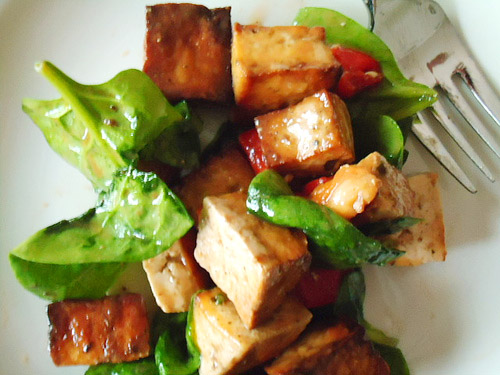
There is an indisputable trend sweeping America’s refrigerators and grocery carts, making animal agribusiness folks uneasy and ecovores optimistic. For a growing number of food consumers, beef (or pork or chicken or fish, for that matter) is no longer “what’s for dinner.”
Whether for reasons of health, environment, or ethics, people in the United States are eating less meat. Recent food documentaries and books such as Forks Over Knives, Food Inc., and Eating Animals have increased consumer awareness about the health benefits of a plant-based diet and about the ugly realities of industrial meat production; consumption trends have shifted accordingly. Vegan, vegetarian, flexitarian, or simply veg-curious, more people than ever before are interested in plant-based cooking.
Cooking without (or with minimal) animal products can be daunting for new vegan or veganish chefs. For many cooks accustomed to a standard American diet, the first decision of every meal is ‘beef, chicken, or pork?’ For plant-based cooking, obviously the process is a little different. Instead we might say, ‘Hmm, I think I want nachos for dinner,’ or ‘Tonight I feel like Thai stir-fry’– it’s just a different way of thinking about food and cooking.
Habit is comforting, and change can be intimidating. But armed with some knowledge and a world of resources, the transition to a vegan kitchen doesn’t have to be anything but exciting and tasty!
Vegan Basics: Knowledge is Power
 Before making the transition to a plant-based diet, new herbivores are encouraged to arm themselves with information. For any significant dietary change, it’s important to embrace new habits healthfully. It’s also important to be knowledgeable enough to handle potentially awkward social situations in a positive way, by responding confidently to well-meant but erroneous advice.
First of all, let’s just get this out of the way — protein is all over the place in a balanced vegan diet, from whole grains/ legumes/ nuts/ seeds/tofu/ seitan/ mushrooms/ tempeh/ nutritional yeast/ etc. etc. etc. Humans need about 10-12% of their calories from protein (about 0.36 grams per pound per day), which most vegans get easily without extra effort. Consumption of higher levels of protein (15-18% of calories), as in the standard American diet, can actually change blood acidity in such a way that calcium from bones is lost in urine, and osteoporosis rates increase. At least one study suggests that too much protein can also contribute to the development of diabetes.
Like protein, calcium is often the subject of grim warnings from omni friends to dairy-free herbies. There are many reasons to avoid or minimize dairy consumption, which is a topic deserving of its own post. For now, suffice it to say that not only isn’t dairy NECESSARY for calcium (unless of course you happen to be a baby cow), it’s actually not that great a source of calcium for humans.
The highest rates of osteoporosis occur in the nations that consume the most dairy. Calcium comes from plants; that’s where the cows — and all other herbivorous animals on the planet — get it in the first place. Kale, spinach, mustard greens, turnip greens, almonds, sesame seeds, tahini, tofu (set in calcium citrate) and fortified orange juice, soy milk, or cereals are all good plant-based calcium sources.
Bone density for most people is actually determined more by activity level and weight-bearing or resistive exercise than by calcium intake. Bone is metabolically active, just like muscle. Popping protein pills won’t give you big muscles; consuming calcium without resistive exercise won’t give you strong bones. There is a powerful myth within our Western culture about needing cow’s milk to meet calcium needs; it’s well-funded, but inaccurate.
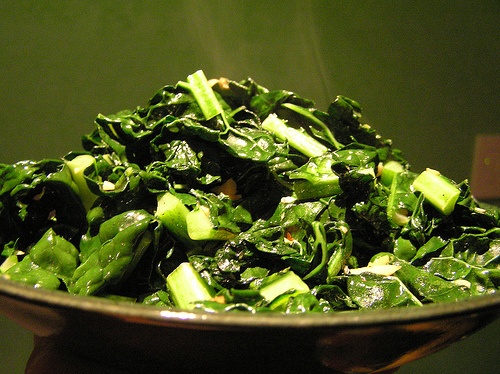
Leafy greens and other vegan foods also provide plenty of iron; you’ll be asked about it by well-meaning SAD eaters. In the developed world, it’s much more common to have an excess of iron than a deficiency. In the absence of significant blood loss, humans only need about 1 mg of iron per day (1.5mg for women of childbearing age). There are many plant-based sources of iron, so vegans vegetarians do not experience a higher rate of iron deficiency than do meat eaters.
You may also encounter omnivores who offer dark warnings against soy consumption; these concerns have largely been debunked, but are still floating around. Basically, consensus among the scientific community is that unless you have specific food allergies to soy, or eat large quantities of heavily processed soy foods (with lots of additives/ preservatives/ other unhealthy ingredients), or have some types of thyroid disease, soy is not harmful and in some cases is especially beneficial.
So educate yourself about your nutritional needs, and how to best meet them with a plant-based diet. Type ‘vegan nutrition’ into any search engine, and surf around a bit: it’s well worth the time! A veg (or primarily veg) diet can be outstandingly healthy, but to get the benefits you need the knowledge. A diet of potato chips and sodas won’t build a healthy herbivore! Also, if you’re going vegan (avoiding animal products completely), be sure to read about vegan sources of B12 and Omega-3s; these are the main things that are (not absent but) deserving of a extra attention within a vegan diet.
A little nutrition research will come in handy when relatives or acquaintances offer unsolicited (and often inaccurate) nutrition advice, as many people feel compelled to do once they realize you’re a planteater.
Vegan Grocery Shopping
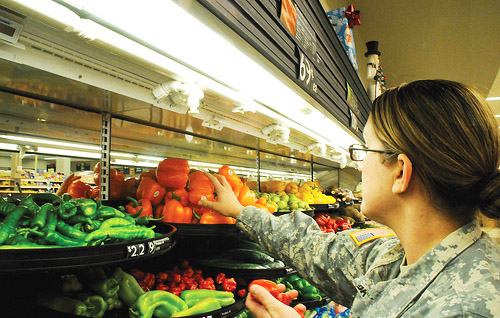
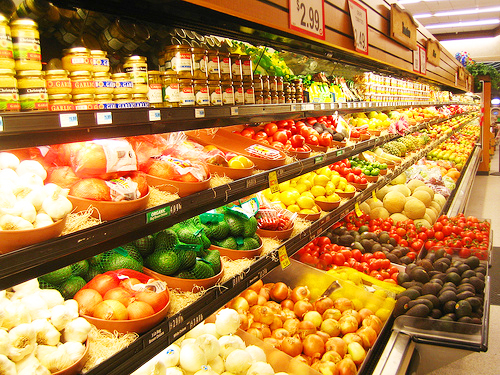
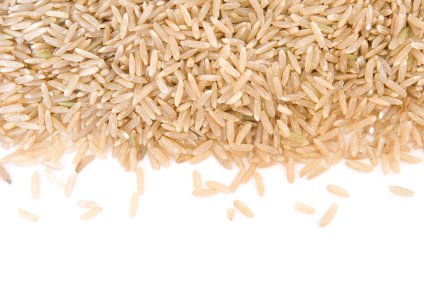
Learn to read food labels to avoid accidental ingestion of animal junk– it turns up in weird places you might not expect, such as in some brands of roasted peanuts (gelatin), potato chips (milk), and soy cheese (casein, a milk derivative). Focus on whole foods, for maximum nutrition — fruit, veggies, whole grains (brown rice, whole-wheat pasta, quinoa, millet, barley, etc.), nuts, beans, and lentils should fill a pretty large percentage of your grocery cart, along with tofu/ tempeh seitan if desired.
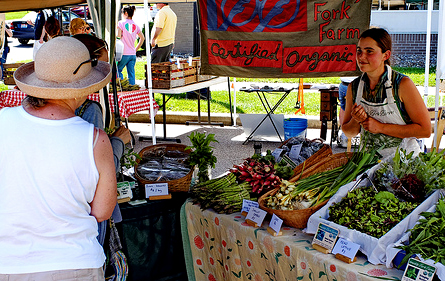
To the greatest degree possible, consider buying produce from a local farmers’ market, CSA group, or similar. It will be fresher, tastier, and often higher in nutrition than conventionally farmed and extensively shipped foods. Baking supplies like flour, corn meal, raw sugar or agave nectar, and oil for cooking might make up the rest of your healthy-veg-head shopping list.
The more you can buy staples in bulk and make things from scratch, the healthier and less expensive it will be (and the more recipe options you’ll be able to explore). If you buy ingredients rather than prepackaged food, and especially if you buy staples like beans, lentils, rice, pasta, and flour in bulk form, it’s easy to opt for organic produce without increasing your grocery budget.
At first you may find yourself buying many ‘feaux’ meat items from the freezer section, such as garden burgers, veggie dogs, vegan sausage, etc. That’s okay, but treat it as a transitional strategy. Highly processed food should eventually be an occasional rather than primary component of a healthy veg diet. Also, be sure to read the labels — some brands of ‘veggie-meat’ products include eggs and dairy (which sort of contradicts the point, if you’re trying to avoid industrially produced animal ingredients!).
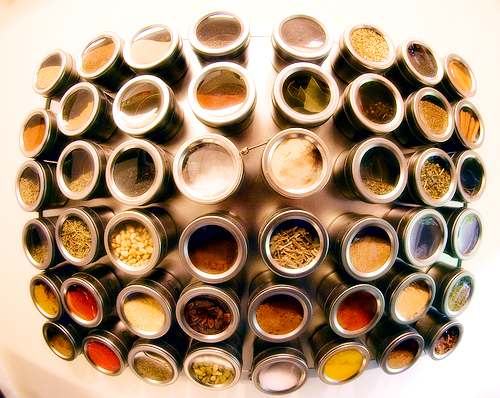
Spices and seasonings are very important, so invest a little time and effort in building up your spice cabinet and pantry. Some staples might include: sesame oil, extra-virgin olive oil, rice wine (mirin), cooking sherry, red wine vinegar, balsamic vinegar, Sriracha chili sauce, cumin, turmeric, dry mustard, curry powder, garlic powder, garlic salt, seasoned salt, sage, thyme, basil, oregano, rosemary, poultry seasoning (good for more than just chicken-parts!), onion powder, chipotle pepper, coriander, ginger, dry mustard, chili powder, and ‘Old Bay’ seasoning.
You don’t need all this at once, of course; just pick up one new seasoning tool on each grocery trip, if your spice cabinet needs a boost. Veggie cooking is incredibly versatile, and some veg staples (tofu, seitan, and tempeh especially) are canvasses eagerly awaiting a brush. To make the most of this tendency, don’t short yourself on spices: salt and pepper alone simply will not do!
Vegan Yum No One Told You About
There are some foods that you may not have had much chance to explore (yet!), if you’re new to the veg life. Nutritional yeast, quinoa, flax seeds, lentils, seitan, tempeh, TVP (textured soy protein), Bragg’s liquid aminos, and nut cheez are delicious nutrient-rich foods that most omnivores have never tried.
Tempeh, TVP, and seitan are less well-known than tofu, but just as tasty and versatile. You’ll find tempeh in the refrigerated section of natural food/health food stores. TVP (dehydrated soy protein crumbles) can be found in the baking aisle of most health food stores, and in the ‘whole foods/ health foods’ section of larger supermarkets; you can also order it online.
Seitan is made from wheat protein and seasoned broth. Pre-made seitan is usually refrigerated near the tempeh in Whole Foods or similar grocery stores– Field Roast and Tofurky brands make some tasty varieties of seitan roast, deli slices, and sausages. You can make seitan from scratch with vital wheat gluten flour, all purpose flour, and seasoned broth. Vital wheat gluten is available in the bulk bins of health food stores and near the bread flour in some supermarkets, or can be ordered online.
Tempeh, TVP, and seitan are all delicious ingredients for stir fry dishes, chilis, roasts, sandwiches, wraps, and casseroles.
Nutritional yeast, or ‘nooch,’ thickens soups, chilis, and sauces, and is a vtal part of most vegan cheez recipes. It has a sharp, nutty flavor similar to sharp cheddar or aged parmesan cheese, and can be found in the bulk section of most health food stores or ordered online.
Many healthy veggie recipes call for ‘Bragg’s liquid aminos,’ which is like soy sauce but with more protein and less sodium. Bragg’s can be found at health food stores or in the ‘whole food/ health food’ section of large supermarkets. Also consider experimenting with arrowroot powder instead of cornstarch, for some sauces and queso-less dips; the texture is sometimes creamier than sauces thickened with cornstarch.
Cashews are well-known, though many omnivores are familiar only with their ‘roasted-and-salted’ guise. Raw cashews have a unique creamy texture, making it possible to blend them into rich and delicious sauces. Ground up dry, in combination with other ingredients, cashews make a delicious shakable topping reminiscent of parmesan cheese. Macadamia nuts and Brazil nuts also make some delightfully indulgent nut cheezes and spreads.
Most non-herbivores have heard of tofu, but may not know how to prepare it. Tofu comes in either refrigerated cartons or vacuum-sealed boxes, in varying textures (soft, firm, extra-firm, etc.). There is a significant difference in the textures of the two types of tofu; the refrigerated carton is usually best for things like sandwiches and stir-fries. The kind in the vacuum-sealed boxes (‘silken tofu’) keeps longer and is easier to buy in bulk. It’s softer, and may be better for recipes where it’s blended or mixed with other ingredients (dips, soups, sauces, etc.). Either kind can work for scrambles or casseroles.
In all cases, I recommend using organic tofu– otherwise it’s almost certainly made from genetically engineered soybeans, and shopping organic easily avoids all the problems that GMO foods bring to the table.
With either type, unless the recipe specifies ‘undrained tofu,’ it’s necessary to remove excess liquid before seasoning it or using tofu in cooking. For the firmest end product, drain extra-firm refrigerated tofu, freeze overnight, then thaw and drain again before seasoning and cooking. People who think tofu is bland have only had under-seasoned tofu: don’t hold back! It’s a blank canvas, so spices and marinades shouldn’t be skimpy! Tofu can taste like ANYTHING– it’s all in the seasonings you choose. So don’t be afraid to season boldly, and marinate at least overnight for best flavor.
Eggless Baking and Scrambling
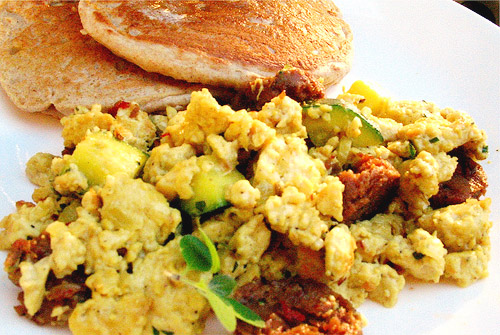
Cooking without eggs sounds challenging, but isn’t. For eggs in baked goods, substitute commercial egg-replacer such as ‘Ener-G’ powder (found in the baking aisle of most health food stores like Whole Foods or Trader Joe’s), or make your own eggless binder powder (my favorite!). Other options for replacing eggs, depending on the recipe, include mashed banana, pureed fruit, or ‘flax eggs‘. For scrambles, breakfast burritos, and other breakfast or brunch dishes, tofu works beautifully in place of eggs when properly seasoned and prepared. Vegan cooks have many options for delicious egg-free cooking. Explore and experiment until you find your favorite!
Cream of the Crop
Dairy milk is incredibly easy to cook without. Organic soymilk is available at most large grocery stores, sometimes along with rice and almond milk. Hemp milk, flax milk, and coconut-based milk (in a refrigerated carton) are also available at health food stores and some large supermarkets.
Generally the nondairy milks you find in the refrigerated section work better in coffee, but the vacuum-sealed non-refrigerated boxes work just as well for everything else. Vanilla soy milk or almond milk is great on cereal. Chocolate almond milk is delicious. If you like cream in your coffee, Silk makes a very tasty soy creamer– rich and creamy and yum!

All these options have distinctive flavors, and sometimes work a little differently in recipes. I like almond milk for cooking and coffee, vanilla soy or almond milk for cereal, and homemade oat milk when the grocery budget’s low. Oat milk works great for everything except coffee; for some reason it doesn’t blend well there, but works just like soy or almond milk for recipes or cereal.
If you try one kind of nondairy milk and don’t like it, try another: they aren’t the same!
In Asian or Indian recipes, canned coconut milk makes a wonderful base for creamy sauces or soups. Puree cooked sweet potatoes or winter squash with some melted Earth Balance and a little bit of water; this makes a delicious creamy starter for soups, stews, or sauces. For creamy pasta sauce, try a base of ground raw cashews thinned slightly with water and blended with pureed roasted veggies (this is especially good with roasted red bell peppers).
The only commercial nondairy cheez I’ve tried that I would personally recommend is Daiya brand. Daiya makes mozzarella, cheddar, and pepper-jack style vegan shreds that melt well and taste great in casseroles, wraps, sandwiches, and pizzas. The texture is different than dairy cheese, and it’s much better as an ingredient than when just eaten by itself. But I think it’s delicious melted on pizzas, grilled cheez sandwiches, and quesadillas.
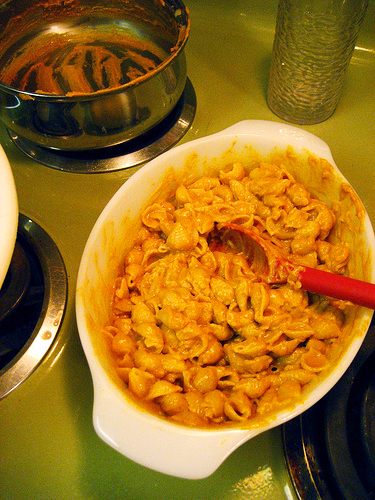
The best cheese solution is to make your own. Some of the best recipes I’ve tried are bulk dry cashew cheez (used as parmesan, or blended to make dips/ sauces), melty cheese (for pasta, nachos, and potatoes) and tofu ricotta. Vegan cookbooks — especially Vegan Artisan Cheese — and cooking sites have tons of great recipes for nondairy cheez and sauces, and these will generally be much tastier than anything you can buy pre-made.
Instead of butter, try dairy-free margarine (such as ‘Earth Balance’) or refined coconut oil, which (like butter and margarine) is solid at room temperature.
Non-dairy cream cheez, sour cream, and mayonnaise are very easy substitutions, available in the ‘dairy’ or ‘health food’ section of larger supermarkets or at health food stores. You can also find vegan recipes online to make your own mayo, sour cream, or whipped topping from raw cashews, soymilk, or other plant-based ingredients.
Tofutti brand soy-based cream cheez makes a delicious ‘cheesecake,’ that even confirmed carnivores will love. Like packaged vegan cheez, it’s much better as an ingredient than when sampled separately. Homemade cashew cream cheese works even better, and isn’t at all hard to make!
Vegenaise makes a scrumptious vegan mayo; Nayonaise is passable in salads or recipes, but in my opinion doesn’t have as good a flavor in the absence of other ingredients.
When recipes call for buttermilk, stir 1 tablespoon of white or cider vinegar into 1 cup of soymilk and let it stand for a few minutes. Use as a 1:1 substitution for buttermilk to make delicious quickbreads, biscuits, or pancakes.
For creamy frozen desserts, look for So Delicious brand coconut-milk ice cream, or fruit ices such as mango or raspberry sorbet.
Tools and Tricks for Easy Vegan Cooking
For maximum enjoyment of new recipes and cooking techniques, it’s worthwhile to invest in a few kitchen items that are extra-helpful to veggie chefs.
A good blender and/or food processor is absolutely essential. Cooking with fresh veggies can involve lots of chopping, and many delicious veggie soups, sauces, spreads, and cheezes need a blender for best results.
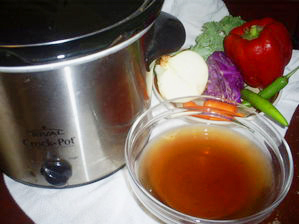
Slow cookers make it ridiculously easy to cook dried beans, lentils, chickpeas, or root veggies for later use in recipes. Cook dry black, red, or navy beans on high for 8 hours or so; black-eyed peas and chickpeas cook a little faster, and are usually done in 4 hours on high heat. As a budget-stretching tool, make almost effortless veggie broth in your crock pot for use in soups, stews, roasts, sauces, and casseroles.
Slow cookers make it easy to take vegan yum to pot lucks or family dinners, where otherwise your dining options might be uninspiring. I have two large slow cookers and one small one, and use them all– I consider them essential tools for surviving the holiday season with my sanity (more or less) intact!
A rice cooker with a steamer basket makes good food fast, and is highly recommended. Cook rice, quinoa, or whatever grain you like while simultaneously steaming marinated tofu, tempeh, or veggies– so you can make healthy meals very quickly even when you don’t have time to plan ahead.
Unless you live very close to a natural foods store or upscale grocery, and have a lot of extra money lying around, consider buying a bread machine. Most prepackaged breads and rolls contain animal derived ingredients; they also cost about four times as much as if you make your own bread from basic bulk ingredients. Even better, the smell and taste of fresh bread is incredible! With a bread machine, ‘real’ bread is so very easy and delicious, you’ll never go back to the other kind.
These are the tools I would rate as most valuable, for new herbies. Some cooks also swear by pressure cookers, juicers, and ‘George Foreman’ style grills, for preparing beans, veggies, tofu, grilled sandwiches, bean burgers, quesadillas, and other foods quickly and easily.
Every new veggie chef should have two or three good vegan cookbooks. There are some great plant-based recipes online, and definitely explore those too– especially the ones that provide other cooks’ reviews of each recipe– but when you’re first exploring veg cooking, books by well-known vegan authors are likely to be a better source of ‘tried and true’ dishes. Thanks to the editorial process and extensive recipe testing, books by good vegan authors are also likely to explain things more clearly, and leave less room for confusion or unsatisfying results. When you’re just getting started with veg cooking, that’s especially important: so splurge on a cookbook or three!
Cooking with fresh ingredients requires a different mind-set, for maximum efficiency. As much as possible, be proactive with your food prep and cooking. If you need to make rice for a stir-fry, make twice the amount you need so you’ll already have cooked rice for tomorrow’s casserole or stew. When you’re making pasta, cook twice as much as the recipe calls for; freeze the leftovers in single or double servings, then later add whatever sauce is handy for a quick lunch.
Gonna want nachos and bean burgers this week? It takes practically no time to soak dry beans over night Saturday, then let ’em cook in the crock all day Sunday while you do other things– so when you want nachos or bean dip or burgers or whatever, later in the week, it comes together very easily. After grocery shopping, go ahead and prep your veggies– chop your broccoli or cauliflower, make celery sticks, wash and chop your kale and other leafy greens– do whatever you need to do for easy cooking or snacking with these foods later in the week.
With a little practice, this kind of forward-thinking food prep becomes second nature, so that it’s easy to throw together tasty, nutritious meals quickly and simply.
Embrace Vegploration
Many new herbies are surprised to find that their diet actually expands, as they move towards plant-based eating. Food ethics writer Erik Marcus offers this excellent advice for embracing a vegan or veganish diet:
The most important piece of advice I can give you is to constantly try new foods. Every time you discover something new that you like, you’ll be helping to crowd the animal-based foods you grew up on out of your diet. Until you’re ready to take off your vegan training wheels, make a commitment to sampling ten new vegan foods a week. I promise that you’ll be astonished at how quickly this will enable you to become comfortable on a vegan diet. Before long, the next time you find yourself hungry, the very first food that pops into your head will automatically be vegan.
There is a world of food out there that most SAD diet eaters have never experienced: taste it! There are so many delectable plant-based foods that most American consumers have never thought to try– falafel, cashew cheez, kale chips, Israeli couscous, nooch sauce, tempeh, kohlrabi, seitan roast… there is a vast and delicious list of foods you may love, that the sad old SAD never offered you. Make it your mission to explore them all!
Hola, Herbivorous Habits!
The most important things to remember, for making the transition to a mostly- or all-veggie diet:
1. Read all you can about it (nutrition, health benefits, and recipes), and implement veggie cooking at a pace that feels comfortable.
2. Eat responsibly-produced food: support local growers, and buy organic whenever possible.
3. Cook with whole food/ un-pre-processed food to the greatest degree possible, to maximize both health and environmental benefits.
4. Enjoy the adventure: have fun exploring new ways of new shopping, cooking, and eating!
Change doesn’t have to be scary — read all you can about plant-based nutrition, buy a few good cookbooks, and most importantly seek out new plant based foods to taste and enjoy. You’ll be surprised how well you eat!
Image credits: Creative Commons photos by flavorrelish, Army Medicine, Josh Lowe, Laurel Fan, Ecstatic Mark, indigotimbre, and myveggikitchen.




This is probably the single best article I have ever read on going vegan. You make it simple and practical. I’m going to print it out and reread frequently. Thank you so much!
Yay!– glad it’s helpful info! Vegan (or veganish) cooking is easy and fun once you start playing with it. Enjoy! and as you play around in the kitchen please come back and share any tips or tricks YOU discover, that I left out! :-)
Wow! This article is great– helpful, thorough, and clear. Will be sharing with newly veg sweetie.. Thanks!
Yay! Thanks for reading, Dee… share away! :-)