
 Wendell Berry once proclaimed: “Eating is an agricultural act.” In this spirit, recipes can serve a broader purpose than just a means to filling our stomachs at mealtime. Think of recipes as edible blueprints for change. Think of the whole culinary process, from ingredient selection to end result, as an opportunity to showcase how our individual food choices can help both our nation and the world cultivate self-reliance through sustainable agriculture by focusing on what’s local and seasonal.
“Food Independence” champions this idea by celebrating and sharing summer’s bounty as we head towards the Fourth of July holiday. The Food Independence Day campaign promotes this idea by encouraging folks to eat local on July 4, as well as petitioning our country’s state governors to do the same.
How do you define “Food Independence”? What things do you do (or would like to start) that, from your perspective, make a statement about fostering a healthy, local food system? Starting a Victory Garden? Shopping at your farmers’ market? Which of your favorite recipes celebrate the flavors and bounty of your region and also manifesto your values and beliefs?
The Spinach Balls (which can be made with various greens) we serve at our Wisconsin B&B, Inn Serendipity, for me exemplify my take on food independence and how conscious eating can inspire a new take on “edible activism.” Three symbolic reasons why I think eating Spinach Balls can change the world:
1. Power Nutrients in Greens
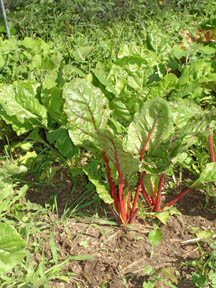
Nutrient super heroes, greens such as spinach and Swiss chard pack a nutritional punch that rivals just about anything else in the garden. Greens offer a generous amount of everything from vitamins A, C, B, folic acid as well as minerals and calcium and iron, not to mention that they are high in dietary fiber while low in calories.
From a food independence perspective, greens remind us that we can find bountiful nutrition our body needs through our gardens and local produce. Compare that to the high cost of meat production in our country: Half our consumed water, 80 percent of our agricultural land and a third of our fossil fuels are used to raise animals for food. Even a slight shift to a more plant-based diet, adding greens to your menu mix, will help shift this equation.
2. Freeze Well
We freeze the majority of our garden produce, primarily for the convenience aspect. These Spinach Balls freeze well. I make big batches all summer long and then we pop them into the oven throughout the winter for a tasty snack. It helps that our farm produces more renewable energy than we use with a wind and solar electric system.
But this “easy to freeze” aspect of Spinach Balls goes beyond convenience: it stimulates community. With Spinach Balls in the freezer, I can easily offer a hearty, warm, welcoming snack to anyone who stops by, from B&B guests to neighbors. Savory aromas waft from the oven and folks linger, sit down, and talk around the table. No fuss involved. I don’t need to stay in the kitchen preparing food but can join in the conversation, building community and relationships over a plate of Spinach Balls.
3. Bite-Sized Eating
About the size of a walnut, Spinach Balls make easy, bite-sized eating. No need for formal silverware or plates for that matter, just pick up and eat. Providing a dose of symbolic simplicity, these Spinach Balls remind me that the journey toward sustainability, food independence and transforming our world happens one small bite at a time.
No need to get overwhelmed and discouraged. No need to clear the whole plate of problems in one sitting, but rather take things one proactive bite at a time. However small, every positive action we take makes a difference.
As the spring greens pop up in our garden and at farmers’ markets, enjoy these Spinach Balls and freeze a batch for later. Look to future postings as I share other food activists’ perspectives on food independence, along with their favorite recipes.
Spinach Balls
From Edible Earth: Savoring the Good Life with Vegetarian Recipes from Inn Serendipity
Ingredients:
2 ½ c. cooked and cooled spinach or Swiss chard, finely chopped & tightly packed. Be sure to squeeze out as much water as you can. If using frozen spinach, this is about two 10-ounce packages.
2 c. seasoned stuffing mix
1 c. grated Parmesan cheese
6 large eggs, lightly beaten
¾ c. butter (1 ½ sticks), softened
½ t. salt
Freshly ground pepper to taste
Directions:
* Mix all ingredients in a large bowl until well blended. Easiest to mix using clean hands.
* Roll level tablespoonfuls of the mixture into balls about the size of walnuts (about 40) and arrange them on an ungreased jellyroll pan or cookie sheet, close but not touching.
* At this point, you can bake the balls for 12 to 15 minutes at 350 degrees or until hot, lightly browned, and firm enough to pick up. Or you can freeze on the tray until hard, and then pack in freezer food storage bags.
* To serve once frozen: Place frozen balls on a greased cookie sheet and bake 12 to 15 minutes at 350 degrees.
Serves: 10 as an appetizer.
Photo credit: John Ivanko